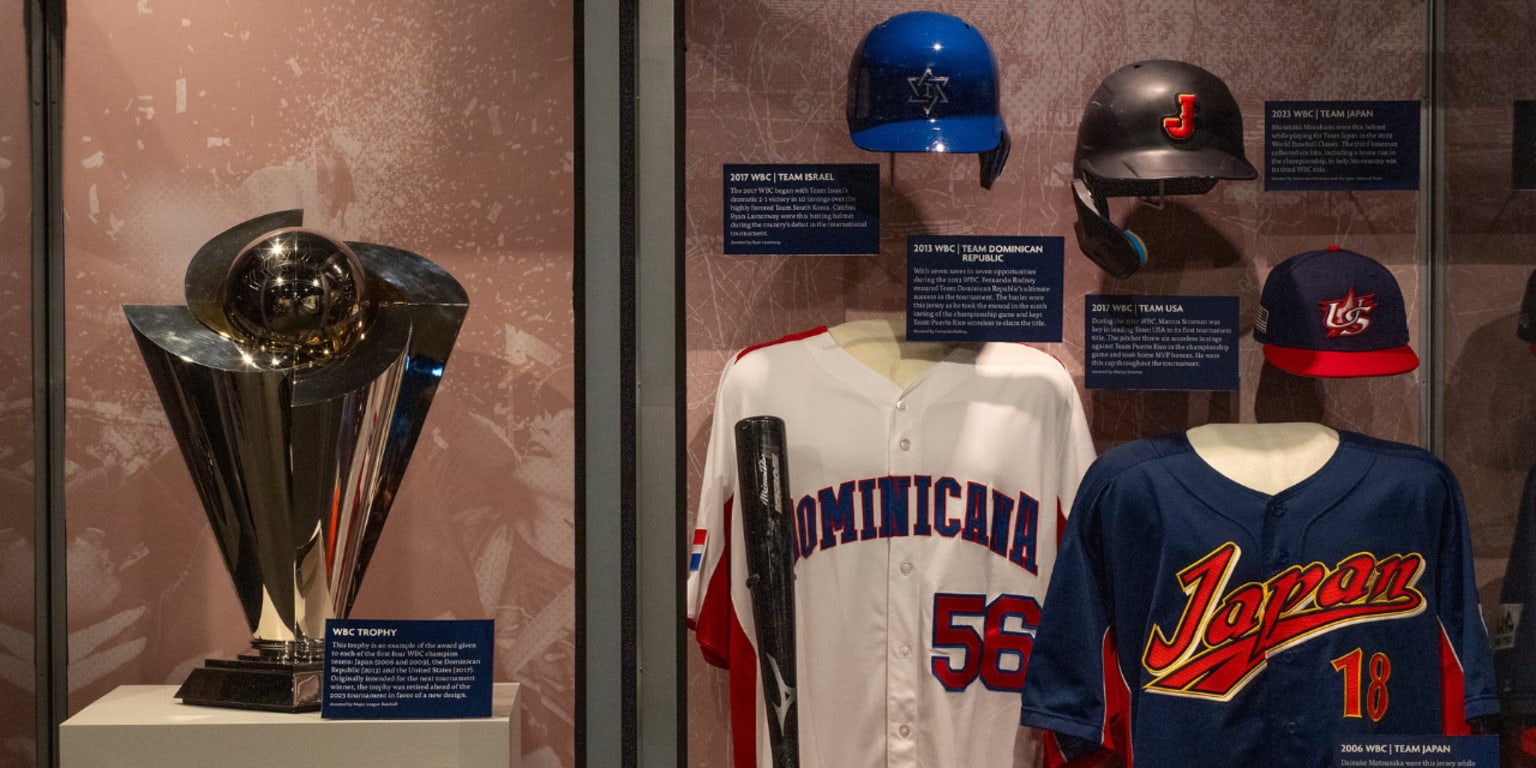
Cooperstown's Embrace: The National Baseball Hall of Fame and World Baseball Classic Legends
The roar of the crowd, the crack of the bat, and the thrill of international competition – these are the hallmarks of the World Baseball Classic (WBC). Since its inception, the WBC has captivated audiences worldwide, showcasing the pinnacle of global baseball talent and igniting national pride like no other tournament. As the sport continues to grow its international footprint, a compelling discussion has emerged regarding how best to honor the legends forged on the WBC stage within the hallowed halls of baseball history. Specifically, how can the National Baseball Hall of Fame in Cooperstown formally recognize these titans whose achievements transcend traditional league play, perhaps even establishing a dedicated "wbc hall of fame" pathway?
For decades, the National Baseball Hall of Fame and Museum has served as the ultimate shrine to baseball's greatest. Inductees are immortalized, their stories etched into the annals of American sport. However, the global nature of the WBC presents a unique opportunity to expand this narrative, acknowledging players, managers, and moments that have profoundly impacted baseball on an international scale. The question isn't whether WBC legends are worthy of honor, but rather how Cooperstown can evolve its recognition system to adequately reflect the tournament's monumental significance.
The Unfolding Legacy: Why WBC Heroes Deserve Formal Recognition
The World Baseball Classic is more than just an exhibition; it's a high-stakes competition where national pride fuels every pitch and swing. The intensity, the level of play, and the global viewership rival, and in some aspects surpass, many traditional baseball events. Players who shine in the WBC often deliver career-defining performances, showcasing skills under immense pressure that resonate with millions. These are the moments that inspire new generations of fans and players, solidifying baseball's place as a truly global game.
Consider the impact of figures who have consistently performed at elite levels in multiple WBCs, or those who led their underdog nations to improbable victories. Their contributions extend beyond statistics; they embody the spirit of international sportsmanship and athletic excellence. Just as the WWE Hall of Fame acknowledges various categories of contributors—from individual wrestlers to groups, celebrities, and even "Immortal Moments"—the National Baseball Hall of Fame could similarly create a nuanced system to honor the diverse contributions to the WBC. This could include a specific "WBC Wing" or an annual "WBC Era" induction, ensuring that the tournament's rich history is not merely a footnote but a central chapter in baseball's story. Such a move would amplify the tournament's prestige and reinforce the idea that global achievements are just as significant as domestic ones.
Drawing Inspiration: Structuring a "WBC Hall of Fame" Pathway within Cooperstown
When considering how to formally elevate WBC recognition, looking at established models for honoring sports personalities can provide valuable insights. The detailed operational structure of the WWE Hall of Fame, for instance, offers a blueprint for categorizing and celebrating diverse forms of contribution, which could inspire a framework for a "wbc hall of fame" within Cooperstown.
Imagine a specialized category or wing within the National Baseball Hall of Fame dedicated to the World Baseball Classic. This wouldn't necessitate a completely separate institution but rather an expansion of the existing Hall's scope. Here are some ways such a pathway could be structured, drawing conceptual inspiration:
*
Individual WBC Inductees: For players who have demonstrated exceptional performance, leadership, or impact across multiple WBC tournaments. Criteria could include batting average, home runs, ERA, pivotal moments, and overall team success.
*
WBC Legacy Inductees: Recognizing managers, coaches, international baseball promoters, or administrators whose long-term efforts have significantly contributed to the WBC's growth and success. This echoes the "Legacy" inductees concept seen elsewhere in sports honors.
*
Team/Group Inductions: Acknowledging iconic WBC championship teams that made indelible marks on the tournament's history, similar to how sports halls recognize dynasties or legendary squads.
*
WBC "Immortal Moments": Inspired by the concept of honoring specific historical events, this category could enshrine legendary plays, championship-winning hits, or record-breaking performances that define the WBC's most thrilling chapters.
*
Posthumous Honorees: Ensuring that individuals who made significant WBC contributions but are no longer with us are still properly recognized, a practice common in all major halls of fame.
*
Multiple Inductions: Just as some athletes are recognized for multiple achievements or roles, a player inducted for their MLB career could also later be recognized specifically for their unparalleled WBC contributions. This would underline the distinct nature of their international impact.
Implementing such categories would create a comprehensive and respectful system for honoring the diverse tapestry of WBC greatness, ensuring that every facet of the tournament's historical significance is preserved.
From Taichung to Cooperstown: Hall of Famers Championing the WBC
The connection between the National Baseball Hall of Fame and the World Baseball Classic is already tangible, even if a formal "WBC Hall of Fame" category isn't yet fully established. A prime example occurred during the 2023 World Baseball Classic. Iconic figures, already enshrined in Cooperstown for their legendary MLB careers, played crucial roles in promoting and participating in the tournament.
Take, for instance, the presence of Team Italy manager Mike Piazza, Kingdom of the Netherlands pitching coach Bert Blyleven, and Panama supporter Mariano Rivera at the 2023 WBC Press Conference in Taichung. These are not just baseball legends; they are *National Baseball Hall of Famers* lending their immense prestige to the global spectacle. Their participation, from eloquently speaking about national pride to engaging in the tradition of making clay handprint impressions for the Cooperstown museum, underscores the inherent link between the established Hall and the burgeoning global phenomenon of the WBC.
This event vividly illustrated how deeply interwoven the histories of these entities already are. When
Piazza, Rivera, and Blyleven stood together at the World Baseball Classic, they weren't just representatives of their respective nations; they were ambassadors from Cooperstown, implicitly endorsing the WBC's importance. Their very presence at the tournament, engaging with international media and fans, served as a powerful testament to the caliber of the event. The images of these legends making handprints for the museum are a clear precursor to a more formalized recognition, physically linking WBC moments to the hallowed halls of Cooperstown. For a deeper dive into this historical gathering, read about how
Baseball Hall of Famers Gather for 2023 World Baseball Classic.
The Future of Honor: What Elevated WBC Recognition Means for Global Baseball
Establishing a clear and formalized pathway for "wbc hall of fame" recognition within the National Baseball Hall of Fame would have profound implications for the sport globally. It would not only honor past heroes but also incentivize future generations of players to view the WBC as a pinnacle of their careers.
*
Boosting Global Appeal: By explicitly linking WBC achievements to Cooperstown, the Hall would send a clear message that international success is valued on par with domestic league play, further enhancing baseball's global prestige.
*
Inspiring Future Generations: Young players worldwide, dreaming of representing their countries, would see a tangible path to immortality, making the WBC an even more coveted stage.
*
Preserving History: A dedicated focus would ensure that the rich history of the WBC – its legendary players, iconic moments, and the diverse nations that have participated – is meticulously documented and celebrated for posterity.
*
Educational Value: The museum could develop new exhibits and educational programs centered around the WBC, teaching visitors about international baseball, different playing styles, and the cultural impact of the tournament.
*
Enhanced Fan Engagement: Fans would have another reason to engage with the Hall, celebrating their national heroes and the thrilling moments that have defined the World Baseball Classic.
Ultimately, such an evolution would cement the National Baseball Hall of Fame's role not just as a repository of American baseball history, but as a truly global shrine, embracing the worldwide growth and passion that the World Baseball Classic so brilliantly represents.
Conclusion
The World Baseball Classic has firmly established itself as a premier international sporting event, creating legends and unforgettable moments that deserve a place of honor alongside baseball's traditional greats. The National Baseball Hall of Fame in Cooperstown stands as the natural custodian of such legacies. By drawing inspiration from existing models and thoughtfully developing new categories or a dedicated wing for WBC excellence, the Hall can expand its mission to fully embrace global baseball. Honoring these WBC legends wouldn't just be a nod to the past; it would be a bold statement about baseball's future, reinforcing its universal appeal and inspiring countless fans and players for generations to come. The time is ripe for the "wbc hall of fame" concept to find its deserved home within Cooperstown's hallowed grounds.